The Cockpit
by Zoltán Dankó
Future-Proof Organization Practitioner -- Human leadership fuels high performance. If you have open mind, I help add open culture to leverage open-source - Change is risk: doing the same leads nowhere. Let's move on!
An insight struck me during the weekend
What would we do differently if the company would be an aircraft?
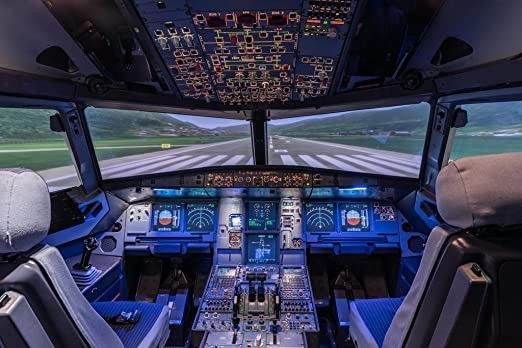
We sit in the cockpit.
It is not yet daunting until we feel the safety of the solid surface below us. We look around in the cockpit. Instruments, digital screens, numbers, signals, and switches. We can look through the window, the reassuring view of buildings, stable horizon, and at an acceptable velocity of what happens around us.
Soon our aircraft is waiting to take off at the end of the runway. Excitement has been building up. Pilots have been going through the checklist for takeoff. Everything’s ready. The tower informed the pilots: it’s clear to take off. The engines roar up, the aircraft is trembling as it starts to roll. In about a minute, the aircraft reached the proper speed and it lifts off, which kills the trembling.
Pilots are executing the usual tasks after takeoff. One push on the button: autopilot is on. The relief comes automatically in the minds of the pilots. They trust the computer. They don’t check everything every minute. Why?
A similar excitement swept through the passengers. They hoped for a successful and safe takeoff. The next hours will be spent in a mindset of still being on the ground. Although no one of the passengers will formulate it they all trust the pilots, and indirectly they also trust the computer of the aircraft.
Think about the company that you work for. Just a minute. Imagine that your company is aircraft mid-air. Bosses sit in the cockpit. Colleagues have their seats behind. What differences come to your mind? What is your feeling? Safety? Excitement? What kind of emotions can you discover in your mind? (Put them in the comment field, if you like.)
Pilots work in pairs like divers. Not because they don’t trust each other. They are there for each other. They can share tasks. They can confirm tasks that were executed by the other. They must respect each other. If something’s gone wrong, they are there to figure out together how to solve the problem. Here comes the first insight. Our mind works the way that it pretends that we are the best, smartest, nicest human ever born on earth. If someone comes and denies it, we get furious about it or initiate a quarrel with her/him. Pilots have to control their egos. They cannot fight in the cockpit. It is not acceptable behavior to humiliate the other pilot. The amount of flight hours means only that they could manage prior flights. What if they go fighting about who should do the next task? Or what happens if one of the pilots humiliates the other pilot? Usually, the humiliated pilot will not dare to tell important information to the other pilot AND they will crash the aircraft AND they will kill everyone on board.
Have you seen a pilot mid-flight to come out of the cockpit every five minutes to check the passengers whether they behave properly? Or have seen a pilot shout to passengers not to sand up and walking during a 10 hours flight? You probably have not seen passengers hit the cockpit door to demand to land in the next city. For some reason, there is trust, respect for each other onboard.
Everyone on the aircraft has the responsibility of how to behave properly midair. There was no meeting prior to the flight to discuss the rules and behaviors. Context defines the mindset. A company on the ground seems to be a safe harbor to play games with colleagues. You cannot expect fatal consequences, similar to what you can experience on the aircraft in return. Responsibility has also a different face on the solid ground. I can exploit others. I can focus on my own interest. What will happen if it turns out? Actually nothing. In the cockpit, however, playing around with responsibility can have a fatal outcome. As it happened unfortunately in the past when pilots went on with ego-games. Hundreds were killed.
There is one exception: when the management of an airline plays company-games – on the ground – which will affect the morale and mindset of its pilots.
I wish the management and the board members of a company could sit on an aircraft when decisions would be made to purchase cheaper aircraft parts or not willing to pay the training for the pilots or reduce the wages of the pilots. I guess it would sort out things quickly.
What do you think about it?
Have a safe flight!