Magical Belief in Progress
by Zoltán Dankó
Future-Proof Organization Practitioner -- Human leadership fuels high performance. If you have open mind, I help add open culture to leverage open-source - Change is risk: doing the same leads nowhere. Let's move on!
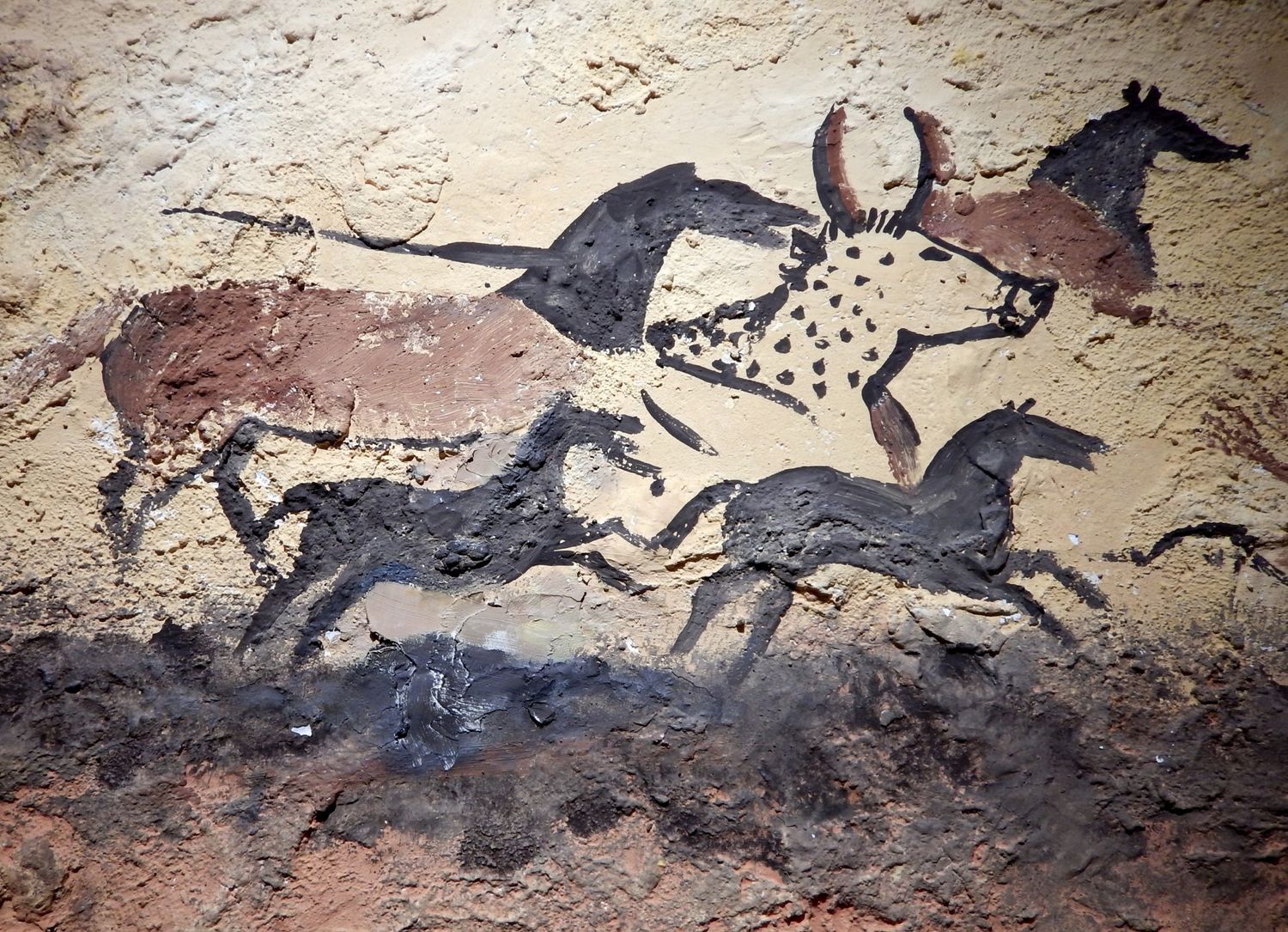
I remember I learned in school that the cavemen drew funny paintings on the wall of the cave. According to some models, they did so because they believed in the connection of their minds and the pictures. If they can draw, they can kill the animals, and they can feed their families. Other concepts say it was their drive to create artistic objects, just because this drive forced them to do so.
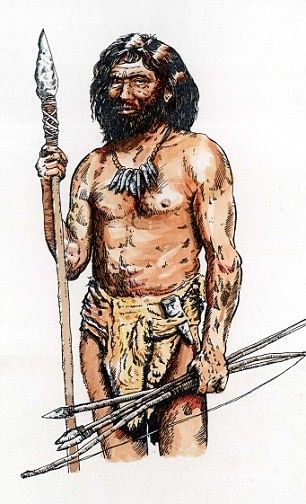
In the following centuries, people wore animal’s fur, skin, teeth, and skull because they thought if they could defeat them, their force or life force would magically flow into them. These selected people became more potent than their tribemates, they were superhuman.
Later, people developed a complete zoo of gods. Consequently, skillful artisans created specific rites and outfits to establish a connection to the gods. Wearing those outfits meant that the power of gods incarnated in the elected humans.
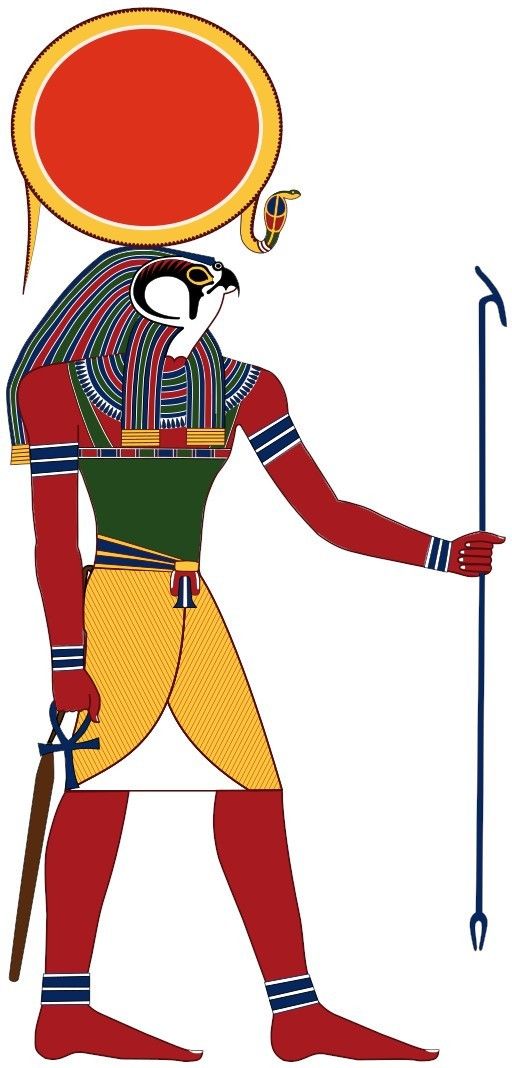
We could find it ridiculous. Such primitive fellows were utterly wrong about how things would go in the world. It is called totemism in art history. Its definition, according to Britannica: “system of belief in which humans are said to have kinship or a mystical relationship with a spirit-being, such as an animal or plant. The entity, or totem, is thought to interact with a given kin group or an individual and to serve as their emblem or symbol.” [1] It represented a continuity or inheritance with the ancestors. They believed that the dead would keep living in a magical world that was accessible only to the privileged ones.
The ancient Greeks and Romans took over and transformed these concepts. People believed that the gods would not exist in a separate world; they interact with humans in their daily lives. Parallel, the remnants of totemism became archetypes. What is an archetype? “In the Jungian psychology, a collectively inherited unconscious idea, pattern of thought, image, etc., universally present in individual psyches.” [2]
The cultural inheritance is quite apparent in the following picture:
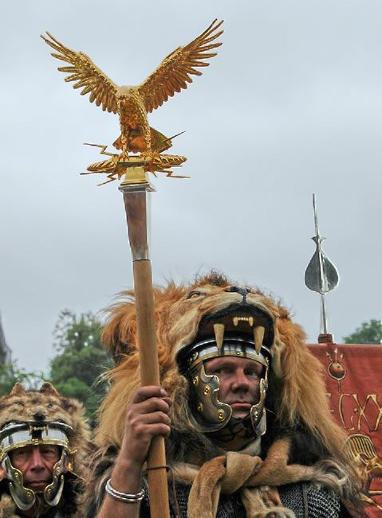
Why could these symbols of totemism survive many centuries? Why did humans insist on preserving them, on bearing them?
We are proud of our technological advancement. Humans conquested continents and entered the space era. We like to think about how much humans have developed cognitively.
Can we confirm it? Yes and No.
There is no question that we moved on scientifically a great deal. We use mathematics for many purposes. The results of physics do make our lives more comfortable. Who can deny, we progressed in weapon development so far that we could wipe out the entire species.
If we carefully analyze the human psyche, things become a bit complicated. No one can deny the blessings of the neocortex in the cognitive domain. However, we humans have to manage at least three spheres: 1) logical, verbal skills, communication via different channels. 2) Emotional functions that overlay any activity AND intervene whatever we consciously will. Practically there’s barely a workaround. 3) Primordial parts of our brain are in charge of everything. They can shut down any higher functions if needed. See the next image [3]:
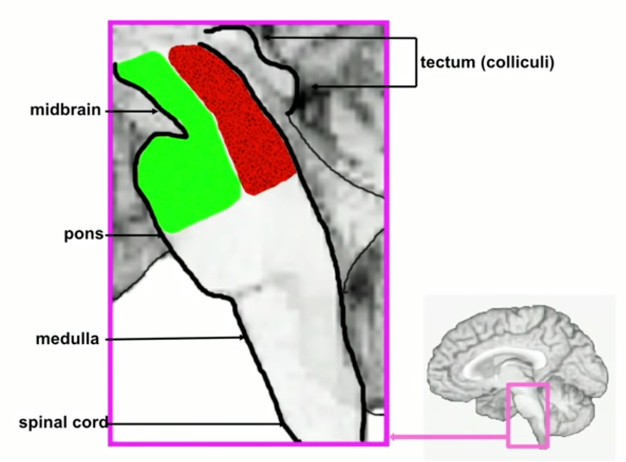
If the green part gets damaged, we cannot move the lower body parts, but we can think. In case the red part gets seriously hurt, we immediately collapse into a coma. All higher functions are gone.
Now we move up from the physical brain to the mind. It will be difficult to list specific fundamental functions or paradigms that we cannot find in ancient times. I can hear the objection: we have more subtle moral concepts, perception is better understood. We are more empathetic. The world around us looks less brutal and bloody. Fine. Let me ask a question: Do beliefs and fears dominate our daily life less than in the previous centuries?
I would be surprised if someone would answer this last question with an optimistic yes.
Our society shows a mixture of pros and cons. If we dismantle everything from daily life and dig deep down to our psychological and behavioral patterns, surprising similarities emerge between a contemporary and an ancient human. It is not bad. It just shows the priorities for us. Soap operas and comedies in ancient Athens have a lot in common.
The argument so far sounds ominous. If these characteristics of humans have not changed in millennia, what can we expect in the next one?
I am optimistic in the respect that we possess almost everything to pave a brighter future. The heroic feat will be whether we want or not. I do not mean this question on the society level, but this question should address each of us. It is not enough to pretend to do so, like reading books, seeing a psychologist each week, having coach sessions. We have to find a way how to reprogram ourselves, how to change our personalities. If someone says it is good as it is, it makes us human. My objection is this: you cannot kill everyone with a stone ax, but you can eliminate all of us with an atomic bomb. You need a big one. Can we trust in the personality of the guys who has a red button?
How far we got regarding the archetypes?
A) Men set foot on the Moon.
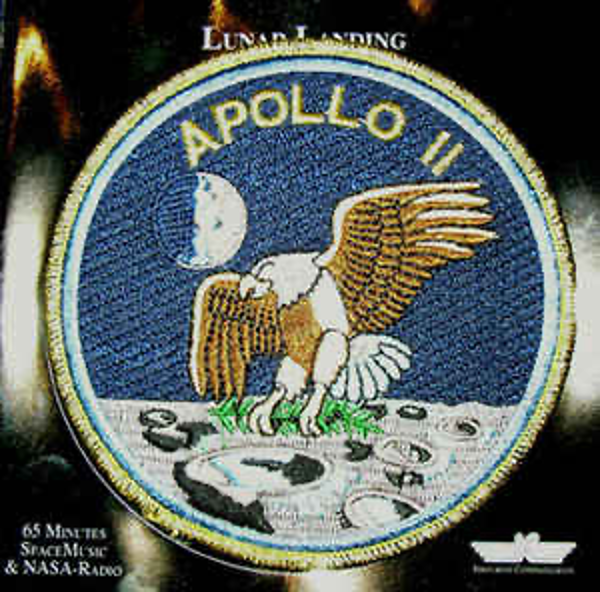
B) American Football Team logos:

I will let the ending open, and I am curious: how can we jump onto the next level? Please write your opinion below.
Remember what Einstein said, I agree with it:
We cannot solve our problems with the same thinking we used when we created them.
Notes:
[1] https://www.britannica.com/topic/totemism-religion