Butthurt – Undeveloped Personality Trait?
by Zoltán Dankó
Future-Proof Organization Practitioner -- Human leadership fuels high performance. If you have open mind, I help add open culture to leverage open-source - Change is risk: doing the same leads nowhere. Let's move on!
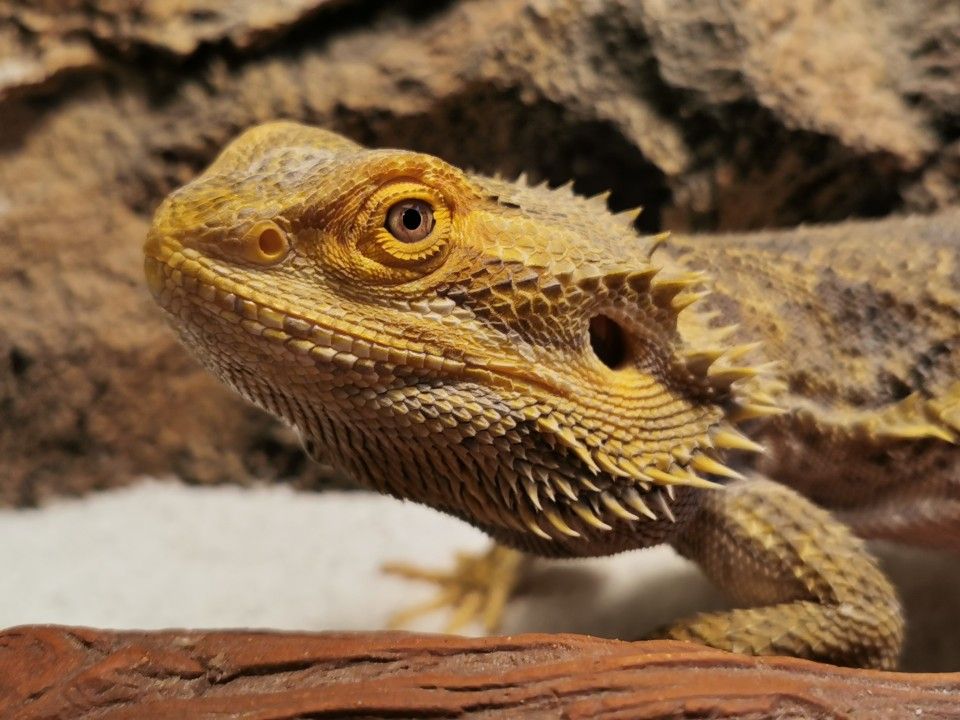
A commonplace is nowadays that changes have become exponential. There is no natural paradigm to handle such a vortex of unprecedented events. Army of professionals has designed different leadership programs, executive training, resilience coaching sessions. They have poured hypothetical weapons onto the leaders. Poor leaders get dizzy, and instead of consciously planned actions, leaders return to their reptile brains.
The situation of a leader resembles a puzzle. Leaders studied the economics of the last century. They have gathered experiences of how things have gone in capitalism. The organization has shown a rigid structure; employees have represented the unmovable "atoms" of the organization. Carrot and sticks motivation has been the best-known approach to push performance.
Since the leaders and the employees have lived in different universes, there has been a shield between them so that no real interaction could occur. Organizations have worked like machines; there has been no place for human emotions. Such feelings have seemed incompatible with the race for profit. Leaders have lived in dizzy heights, unreachable for ordinary employees.
Anger outbursts or fear-distorted faces of leaders came to light only by ominous events like bankrupts. Thanks to the media broadcast. The past two years have proven that omnipotent leaders are humans, too. The pandemic and exponential trajectory of technology have brought a disruption that massacred companies. Corporate models and forecasts have gone awry. Confidence of the earlier omnipotent leaders has been shattered profoundly.
Such circumstances have forced the management to beg for help among the employees. Either they were expected to work for half of their salaries, or go on holiday for an unforeseeable period. The emotional vortex of the situation injected tremendous fears in the leaders. They have not been used to facing emotions of their own and the employees that harshly. On the side of the employees, they had to realize not being able to trust their leaders. The loss of trust and faith in the company and the leaders was not unexpected at all. There was none earlier either. The existential pressure had just covered it. Now, when external circumstances threaten the leader to lose the privileged position in an emotionally tense situation, the employees dread death at the edge of the cliff.
When we need more trust and empathy toward each other, we lose the capacity of such human feelings. Citing the famous mantra from the Dune, fear is the mind-killer, I add the heart-killer, too. As long as we are overwhelmed by fears and anxiety, our sympathetic nervous system takes over control. Our amygdala finds plenty of opportunities to reinforce the autopilot in us. Oxytocin and serotonin levels, the hormones that enable human feelings, safety, and empathy, stop being produced. Our everyday workings can be reinstated if the circumstances would go back to usual function. Rational intervention does not help much. Training can touch the surface in the individuals, but they cannot initiate profound revamping.
Leaders feel and behave similarly; they just pretend to be confident. Here is the point where leaders differ in their trajectories. Those who have a balanced childhood and are emotionally developed in various situations may reach a level of personality development that helps them manage emotionally loaded circumstances. The others may not be so lucky. Sitting in their reptile brain, they feel hurt. The only possible interpretation of events will be fate and other superstitious powers. These individuals keep constantly seek for remedy, where they want to retake control. Since there is almost no chance to do so, there is only one way out: butthurt. In such sensitive, emotional states, an employee's requests (home office, or more homo office) are interpreted as unfounded and shameless. The leader feels that the employees must be nasty; they want to make the best of their bad luck.
Obvious that butthurt won't solve anything. We must, though, see the unsolvable puzzle. Knowledge or insights cannot change the scene. Only patience and time with self-forced iron can move the individual outward from the limbic system. The delicate equilibrium of the company can be upheld if both parties, leader and employees, aim win-win outcome. The leader should accept to move to a new equilibrium in the company if the employees grant patience. Dough, the employees tend to assist in the process if the leader shows new behavioral patterns and keeps the pace consequent. There is light at the end of the tunnel. A more resilient equilibrium is achieved if succeeded, so leaders and employees may react to changes more flexibly.